Saying Yes to Pets Helps Landlords Fill Units Faster and Earn More
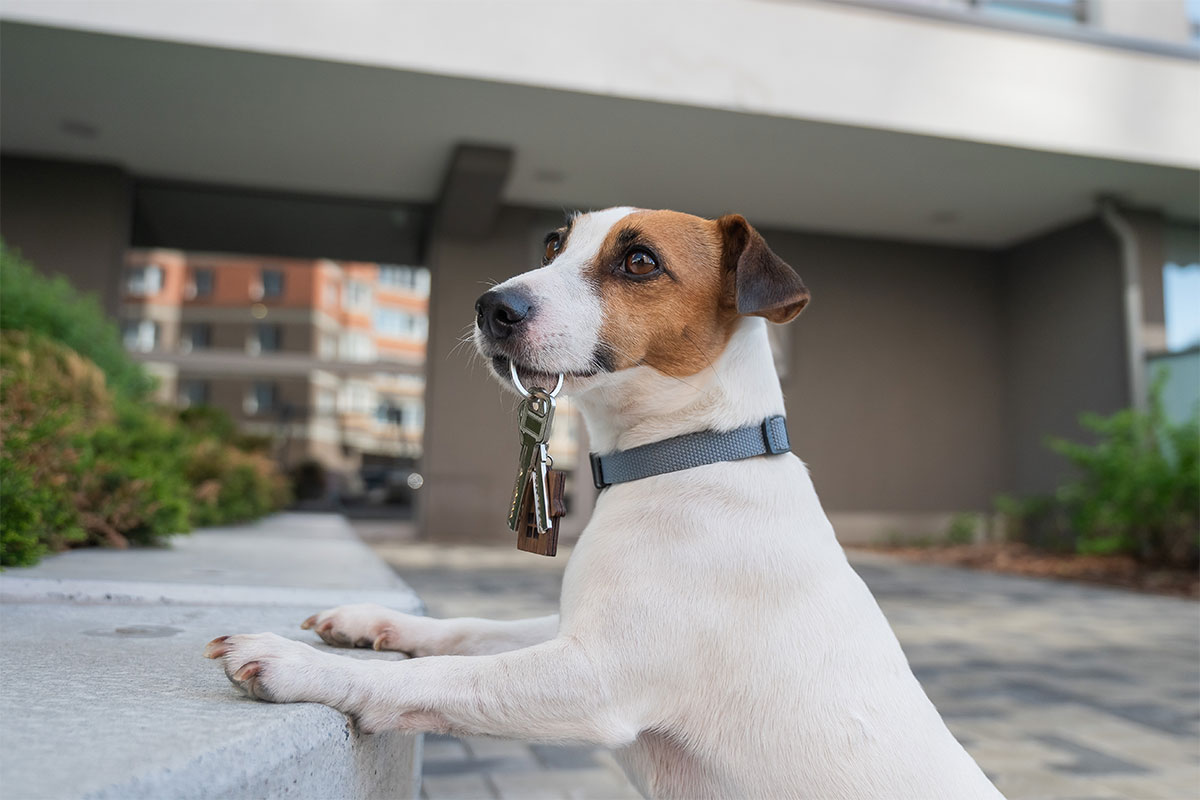
In today's competitive rental market, the numbers are clear: landlords who welcome pets are filling units faster, commanding higher rents, and keeping tenants longer. With more than 70% of U.S. renters owning pets, restricting animals means instantly cutting the majority of potential applicants. For landlords, that decision carries a direct cost in longer vacancy times, missed rent, and reduced renewal rates. By contrast, pet friendly properties enjoy measurable advantages in tenant acquisition, pricing power, and retention. Data from Apartment List, Zillow, and the National Multifamily Housing Council confirms what many successful landlords already know. Saying yes to pets is not just the compassionate choice, it is a smart business strategy.
The Numbers Do Not Lie
Across major rental platforms, "pet friendly" is one of the most frequently used search filters. Zillow reports more than 3 million monthly searches tied directly to pet acceptance, while Apartments.com data shows that pet friendly units receive up to 30% more inquiries than those that prohibit pets.
Industry research highlights even greater benefits:
- 20% to 30% faster lease up times for pet friendly units compared to properties that do not allow animals
- 44% of renters with pets report difficulty finding housing that accepts animals
- The Human Animal Bond Research Institute found that 82% of pet owners consider pet policies a deciding factor in whether they renew or move
When vacancies already cost landlords an average of $1,900 per month in lost rent and expenses (Realtor.com, 2025), reducing time on market by even one week makes a measurable financial difference.
Premium Pricing Power
Pet friendly landlords not only fill units faster, they often generate higher rental income per lease. The typical revenue model includes:
- $300 to $500 one time pet fees
- $25 to $45 monthly pet rent per animal
- $200 to $400 refundable deposits
According to Zillow Rental Trends, average pet rent now sits around $35 per month, while non refundable pet fees frequently cover years of anticipated wear and tear. Together, these charges create a steady income stream that directly offsets the costs of minor damages or additional cleaning.
In effect, landlords can both expand their tenant pool and increase their average revenue per unit simply by allowing pets.
Reduced Vacancy Costs
Every month a unit sits empty drains landlord revenue. Beyond lost rent, vacancy periods often involve utilities, marketing, and turnover expenses that add up to $1,000 to $5,000 per unit (Multifamily Executive).
Pet friendly properties reduce vacancy by:
- Expanding the applicant pool to the majority of renters
- Increasing competitive interest and multiple applications per unit
- Reducing time on market by 8 to 15 days (Zillow Rental Network, 2023)
Over the course of a year, even one avoided month of vacancy can exceed the total cost of allowing pets for several leases.
Better Tenant Retention
Landlords profit not only from faster leasing but also from lower turnover. Moving with pets is more complicated, making pet owners more likely to renew once they have found a good fit.
Industry surveys show:
- Pet owners renew leases at rates up to 20% higher than households without pets
- Stability translates into predictable cash flow, reduced turnover costs, and less marketing spend
- Landlords who accommodate pets report fewer contentious move outs and more satisfied tenants
When turnover costs range from $1,000 to $5,000, even a modest boost in renewals improves a property's bottom line.
The Competitive Edge
In many metro markets, the trend is already clear: landlords who prohibit pets are at a disadvantage. Yardi Matrix data shows that in cities like Houston, Dallas, and Phoenix, up to 70% of large multifamily communities already allow pets. That means "no pets allowed" policies increasingly look out of step, pushing landlords to the bottom of filtered search results.
On platforms like ThePetRenter.com, renters can directly compare apartments by pet rent, deposits, and fees. Pet friendly listings consistently appear higher in searches, receive more clicks, and generate more qualified leads. In a crowded marketplace, simply saying yes to pets provides a built in marketing edge.
Managing Risk With Smart Policies
Welcoming pets does not mean landlords have to compromise on standards. Clear policies protect both property value and community comfort. Best practices include:
- Setting reasonable pet fees, deposits, and monthly pet rent
- Updating lease agreements with detailed pet policies
- Installing pet waste stations or dog relief areas in common spaces
- Establishing pet registration processes to track animals on site
- Ensuring compliance with HUD's FHEO 2020 01 by respecting legitimate service and emotional support animal documentation
These measures are simple to implement and often pay for themselves in the very first lease cycle.
Return on Investment
The financial case for pet friendly rentals is compelling:
- Faster leasing means fewer vacancy losses
- Premium fees and deposits generate extra income
- Higher retention reduces turnover costs and stabilizes cash flow
- Competitive visibility ensures landlords capture a larger share of rental demand
Taken together, these factors deliver a return on investment that far exceeds the perceived risks. A single avoided vacancy month can equal years of potential pet related repairs.
A Win for Landlords and Renters
At its core, the pet debate is not just about policy. It is about recognizing a fundamental shift in renter demographics. With pets now central to family life, landlords who adapt will capture the loyalty of America's largest rental segment.
For tenants, pet friendly housing provides stability, transparency, and peace of mind. For landlords, it delivers stronger demand, higher income, and a competitive advantage in markets where renters have countless choices.
The data is consistent across sources and markets. Saying yes to pets is no longer optional, it is essential.
Search and compare pet friendly rentals near you today at ThePetRenter.com.